
Choosing the best time to visit Icacos Island
The best time to visit Icacos Island depends on what you want from the day and whether the sea allows the crossing. February and March have less rain in the regional San Juan climate reference, yet winter north swell can affect boat conditions. Choose a season for its broad pattern, then use current marine information and the instructions for your booked boat to make the final plan.
A beach day, a crossing and a snorkelling stop all depend on more than the chance of rain. Blue sky does not establish safe water conditions, and a monthly rainfall figure cannot describe the sea on your departure date. Keep a flexible day in the itinerary when possible. The travel guide covers the mainland connection, while the snorkelling guide explains preparation in the water.
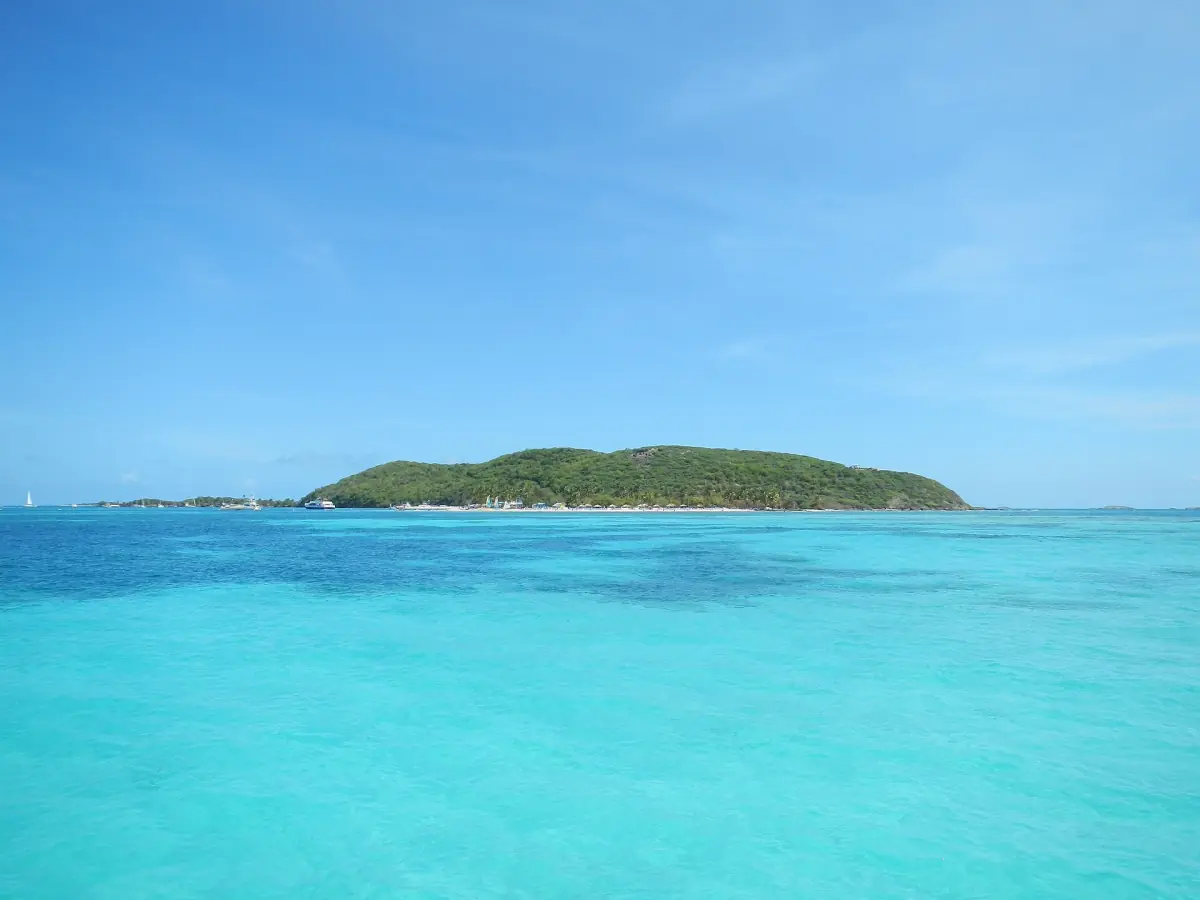
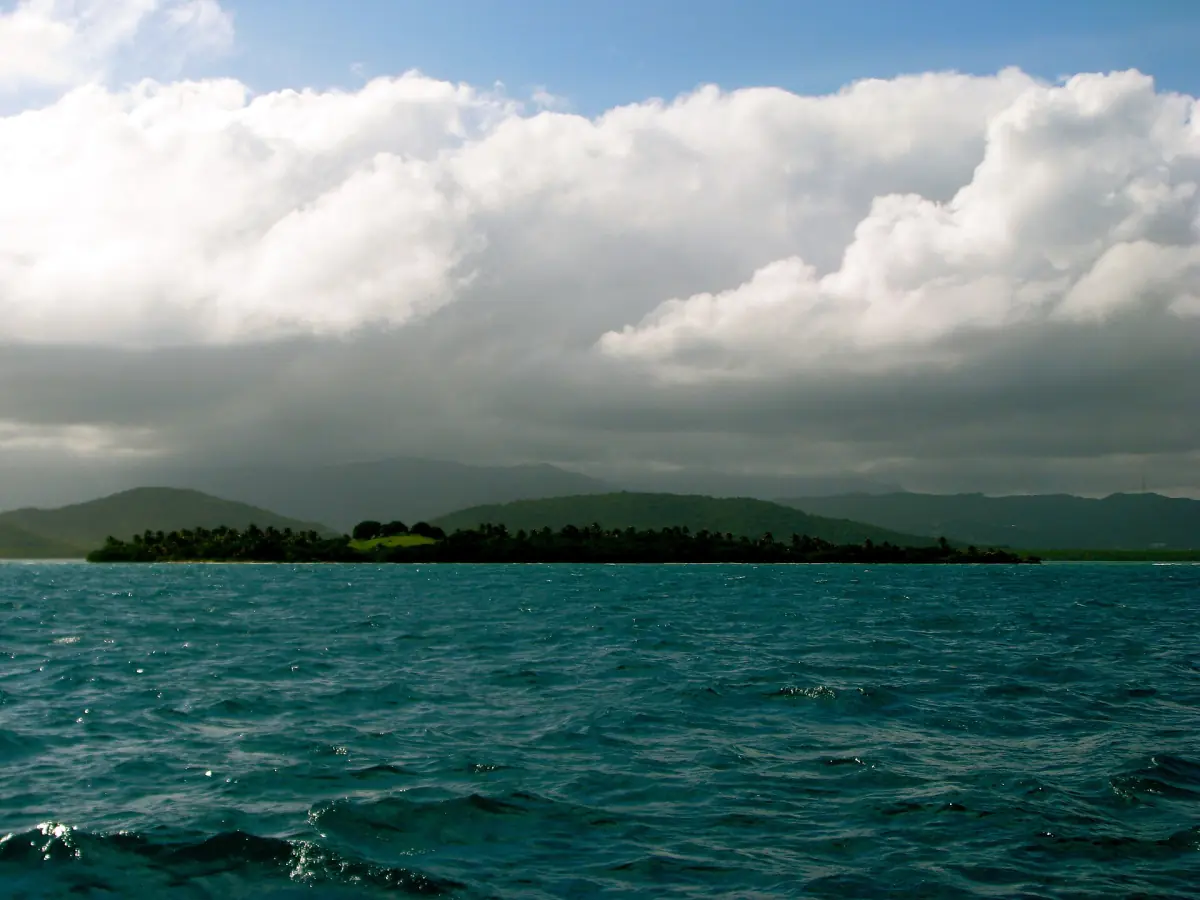
Dry weather versus boat conditions
The NWS Annual Climate Review for 2025 describes higher regional waves in winter with north swell, lower heights in late spring and summer, and an increase again in autumn. This is regional seasonal context rather than a boat timetable for Icacos. A drier winter month can still have unsuitable crossing conditions; a season with more rain should not be reduced to a daily prediction either.
Think about your main priority before choosing a date. If you favour the lower-rainfall part of the regional table, February and March stand out. If you are focused on boat comfort, include swell and wind in the decision rather than relying on rainfall alone. When browsing catamaran excursions, compare the equipment and shade supplied on the boat as part of your preparation, while keeping the day subject to conditions.
Boat trip with sheltered cabin
A shaded cabin and freshwater shower make this boat trip an option when planning your day around the weather.
Hand-picked tours, booked through GetYourGuide. Prices are indicative starting prices in US dollars (as of October 2026). Tap a tour for live availability and the current price in your currency.
A boat day with shade and snorkelling equipment
This four-hour excursion includes a shaded cabin, cushioned seats, floats and snorkelling gear, together with a buffet lunch and non-alcoholic drinks. Hotel transport is separate, and the departure remains subject to weather conditions.
Regional monthly weather reference: San Juan/TJSJ
The table uses NOAA/NCEI's San Juan/TJSJ station, with normals for 1991 to 2020 published in the 2023 Annual Local Climatological Data report. It is a regional reference, not a measurement series from Icacos and not a current forecast. Maximum and minimum temperatures are monthly means of daily highs and lows. The rainfall values describe the same historical normal period.
| Month | Mean maximum °C | Mean minimum °C | Rainfall mm |
|---|---|---|---|
| January | 28.4 | 22.2 | 103.4 |
| February | 28.8 | 22.1 | 65.5 |
| March | 29.3 | 22.4 | 55.4 |
| April | 30.1 | 23.3 | 116.8 |
| May | 30.8 | 24.3 | 140.7 |
| June | 31.7 | 25.1 | 118.4 |
| July | 31.5 | 25.3 | 152.9 |
| August | 31.7 | 25.4 | 159.8 |
| September | 31.8 | 25.3 | 165.1 |
| October | 31.4 | 24.8 | 132.3 |
| November | 30.1 | 23.8 | 187.2 |
| December | 29.0 | 22.9 | 123.2 |
Use these figures to compare broad monthly patterns at San Juan. February and March have the lowest rainfall in this table, and November the highest. They do not assign a rain total to Icacos itself. Avoid turning a monthly average into a promise of a dry beach day or using the temperatures to infer water temperature.
Weather, sea conditions and the current forecast
Before setting out, read current NWS marine and beach information for the region and follow the instructions for your crossing. Conditions on the water matter even when the sky looks clear. NWS explains that dangerous currents can develop in apparently good weather, and low risk does not mean risk-free water. There are no lifeguards on Icacos, so keep swimming decisions tied to the conditions and guidance on the day.
For snorkelling, leave space between yourself and the reef, avoid touching corals and keep clear of marine animals. A date chosen from the climate table cannot promise visibility or animal sightings. The beach guide covers island preparation; use it alongside the weather information rather than treating a seasonal label as a complete plan.
Hurricane season and flexible planning
The Atlantic hurricane season runs from 1 June to 30 November according to NOAA; storms can also form outside that period. Use the dates as context for planning, with attention to current forecasts and notices. They do not create a guaranteed season of good crossings outside those months.
A captain's weather cancellation and an official access restriction are different decisions. Read the conditions attached to the excursion you book and keep room for a changed plan. Choose a day at sea with enough space around it that a weather change does not force a rushed connection. The shade, floats and equipment on a boat help define the visit, but they do not settle whether a particular departure can operate.
Questions about timing your visit
Are February and March always calm?
They are regionally drier in the San Juan normal table. Winter north swell can still affect crossings, so consult current marine conditions for the date you choose.
Is this an Icacos weather station?
The figures come from San Juan/TJSJ and describe the 1991 to 2020 normal period, published in 2023. Use them for regional climate context.
Will a sheltered cabin prevent a weather cancellation?
The featured boat includes a shaded cabin, floats and snorkelling equipment. The captain's operating decision still depends on the conditions of the day.